A Forgotten Tomb and an Unforgotten Message
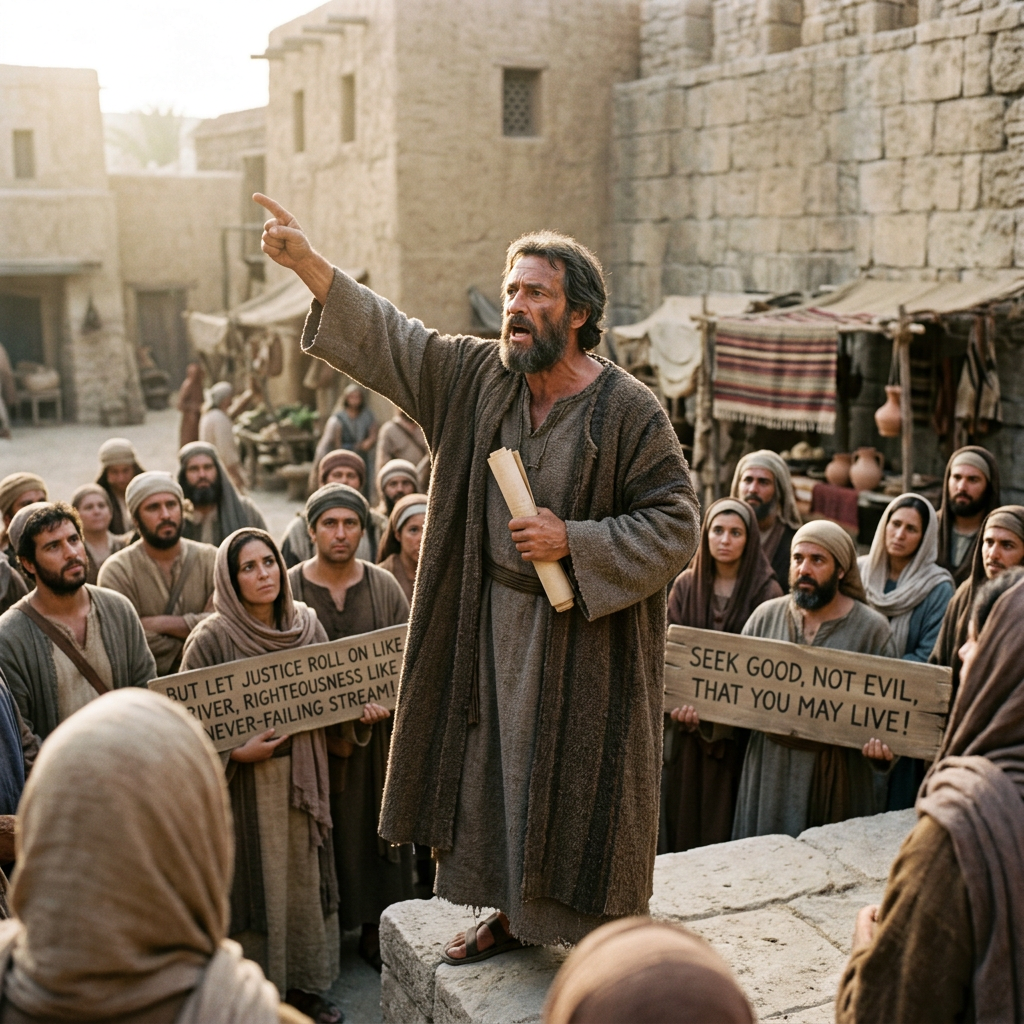
Amos 5:24 KJV
“But let judgment run down as waters, and righteousness as a mighty stream.”
In May 2026, researchers announced what may be one of the most interesting biblical archaeological discoveries in recent years. The news was not that a brand-new tomb had been found, but that scholars may have finally identified the long-lost burial place of the Old Testament prophet Amos.
For centuries, tradition placed Amos’s tomb inside the ancient town of Tekoa. New research now points to a site about two kilometers away in the Judean wilderness at a location known as Qasr Antar.
The identification was made by combining ancient pilgrimage records, aerial photography, archaeological remains, and descriptions left behind by travelers who visited the area hundreds of years ago.
One of the most important clues came from a fifteenth-century Jewish traveler named Rabbi Isaac ben Alfara. He described a burial cave, a church structure built above it, and a place of pilgrimage associated with the prophet Amos. Researchers believe the ruins at Qasr Antar closely match those descriptions.
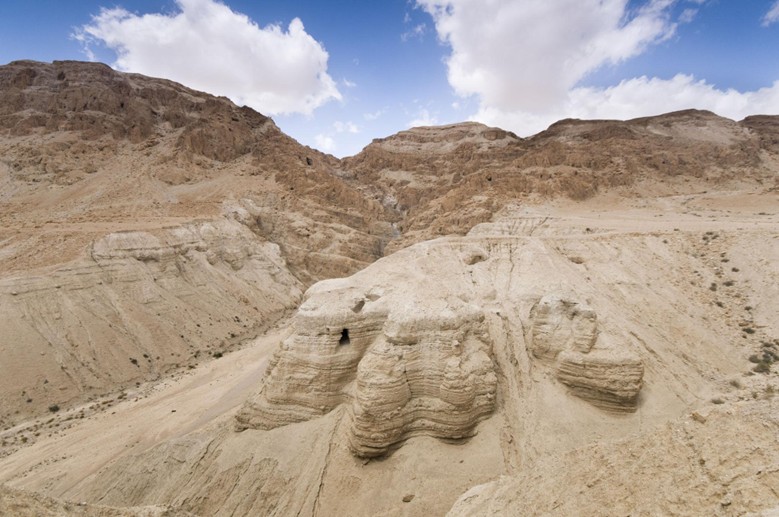
If the identification proves correct, the site served as a place of pilgrimage for both Jews and Christians from the fourth century until the early seventeenth century. Then wars, unrest, and changing conditions caused the location to be abandoned and eventually forgotten.
Today the site shows signs of damage from looting and neglect, but its rediscovery has brought fresh attention to one of God’s most powerful prophets.
The discovery itself is interesting, but the greater lesson is this: people may forget where a prophet was buried, but they cannot bury the message God gave him.
A Shepherd Called by God
Amos was not a king, priest, or professional religious leader.
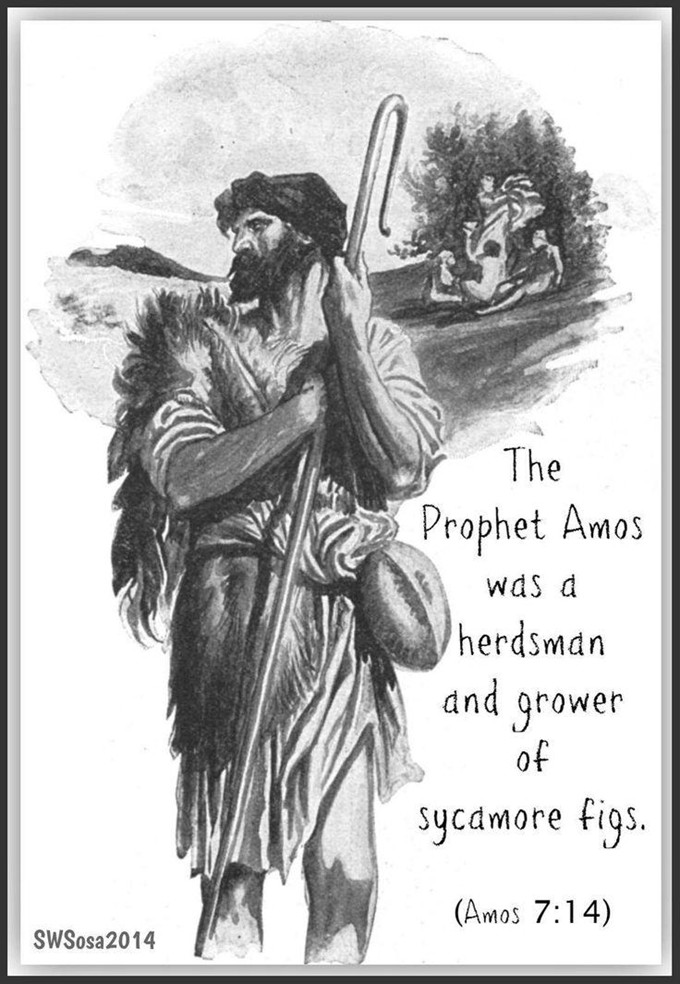
Amos 7:14–15 KJV says:
“Then answered Amos, and said to Amaziah, I was no prophet, neither was I a prophet’s son; but I was an herdman, and a gatherer of sycomore fruit: And the LORD took me as I followed the flock, and the LORD said unto me, Go, prophesy unto my people Israel.”
God called an ordinary shepherd from Tekoa and sent him to deliver an extraordinary message.
Amos stood before a nation enjoying prosperity and comfort. The economy was strong. The people were religious. Yet beneath the surface there was corruption, injustice, greed, and spiritual decay.
God sent Amos to warn them that outward success can never replace inward righteousness.
The Message We Still Need
The most famous words from Amos still ring across the centuries:
Amos 5:24 KJV
“But let judgment run down as waters, and righteousness as a mighty stream.”
God was not impressed by empty religion. He wanted hearts that were right with Him and lives that reflected His holiness.
Amos repeatedly spoke against:
• Exploiting the poor
• Corrupt leadership
• Religious hypocrisy
• Dishonest business practices
• Forgetting God’s commandments
The sins Amos confronted are still with us today.
Our generation has more technology than ever before, yet many are spiritually empty.
We have more information than previous generations, yet often less wisdom.
We have larger buildings, greater resources, and more conveniences, yet many churches struggle to maintain the passion and holiness that characterized earlier generations.
The voice of Amos reminds us that God is not merely interested in what happens in a church building on Sunday morning. He is concerned with how we live on Monday morning.

The Tomb Is Interesting—The Message Is Urgent
Whether future research confirms this site beyond all doubt or not, the discovery serves as a powerful reminder.
The stones may crumble.
Ancient churches may collapse.
Burial caves may be forgotten.
But the Word of God endures forever.
The prophet may rest in the dust, but his message still speaks.
The same God who called Amos from the hills of Tekoa still calls His people today to live holy lives, care for those in need, stand for truth, and walk in righteousness.

Perhaps the greatest lesson from this discovery is that while archaeologists search for the resting place of Amos, God is still searching for men and women willing to carry the message of Amos into this generation.
May we hear that ancient voice again:
“But let judgment run down as waters, and righteousness as a mighty stream.”
The prophet’s tomb may have been forgotten for four hundred years.
In Christ,
Darrell
